

Introduction: The Rich History of Austin Peay, Tennessee
The Early Settlement of the Austin Peay Region (Late 18th Century)
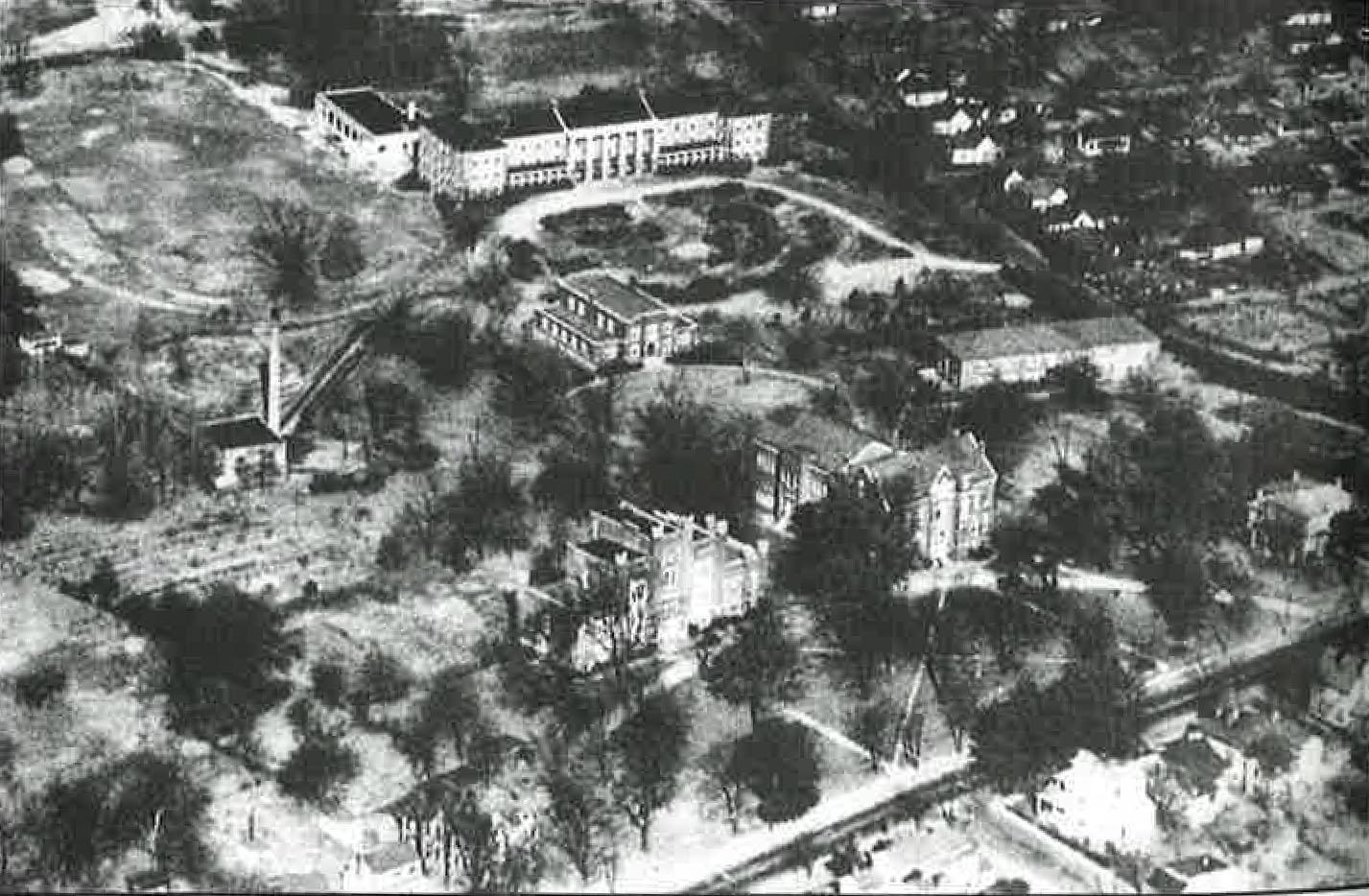
The region now associated with Austin Peay began as a frontier settlement in the late 1700s. Its strategic position along the Cumberland River made it an important site for commerce, trade, and transportation. Early settlers benefited from fertile farmland, which allowed the area to grow rapidly.
The river brought traders, farmers, and merchants, laying the foundation for a thriving community long before Austin Peay State University would define the region’s modern identity.

Agricultural and Industrial Growth in the 19th Century
Throughout the 1800s, the Austin Peay region became widely known for its agricultural productivity—especially tobacco, which became a cornerstone of the local economy. Warehouses, mills, and river transport helped the area export goods nationally and internationally.
The industrial expansion that followed brought new opportunities, shaping the community into a regional center of commerce and development.

Austin Peay State University and the Transformation of the Region
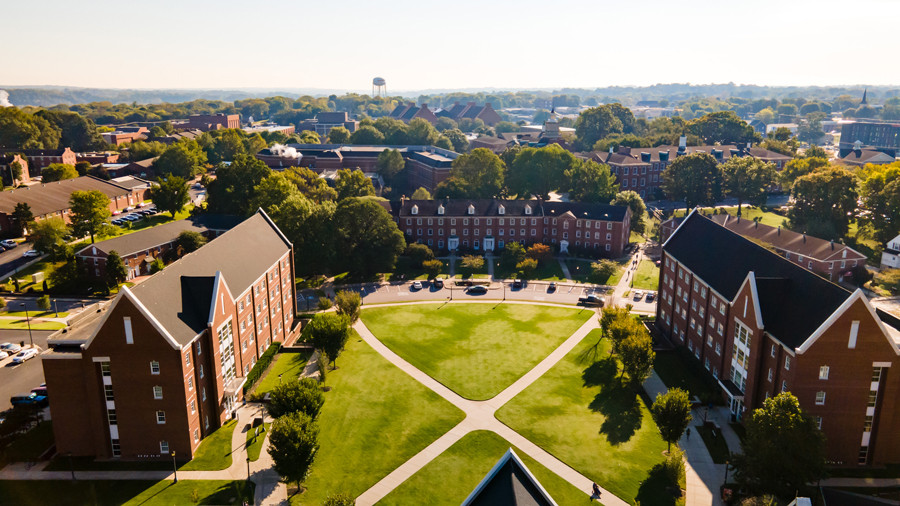
In 1927, the establishment of Austin Peay State University (APSU) marked a turning point in the area’s identity and growth. Originally founded as a teachers’ college, APSU expanded into a major public university, renowned for its academic programs, arts, athletics, and community engagement.
The university attracted students, educators, and cultural institutions, making “Austin Peay” synonymous with education, growth, and regional leadership. APSU became the heartbeat of the community, fueling population growth and transforming the area into an educational and cultural hub.

Military Influence and Economic Expansion
The region’s growth surged with the development of nearby Fort Campbell, home of the 101st Airborne Division (Air Assault). Its proximity brought thousands of soldiers, families, and civilian workers to the Austin Peay area.
Military influence contributed significantly to economic expansion, supporting local businesses, schools, housing, healthcare, and cultural diversity.

Modern Growth and Revitalization of the Austin Peay Region
In recent decades, the Austin Peay area has undergone major transformation. Historic neighborhoods and commercial districts have been revitalized, and investments in infrastructure, parks, and community development continue to strengthen the region.
APSU’s expansion—including new academic buildings, arts facilities, and athletic programs—has elevated the area’s identity. New industries in manufacturing, technology, and small business have further contributed to economic growth.
The Austin Peay region is now one of the most rapidly developing areas in Tennessee, blending educational excellence with strong community development.
Conclusion
The Austin Peay region of Tennessee is a vibrant and rapidly growing community rooted in frontier history and transformed by agriculture, education, and military influence. From its early settlement days to the rise of Austin Peay State University, the area has evolved into a dynamic and diverse center of culture and economic opportunity. Today, it stands as a thriving region defined by progress, innovation, and a strong sense of identity.
Questions and Answers about Austin Peay, Tennessee
Q. What is the history of the Austin Peay region?
A. The area began as a frontier settlement in the late 1700s along the Cumberland River. It grew through agriculture and industry before transforming into a major educational hub with the establishment of Austin Peay State University in 1927.
Q. Why is Austin Peay important to the region?
A. Austin Peay State University is the area’s central institution, driving cultural, educational, and economic development. Its programs, arts, athletics, and community engagement make it a cornerstone of regional identity.
Q. How has the region’s economy evolved?
A. Historically based on agriculture—especially tobacco—the local economy now includes education, manufacturing, technology, healthcare, and military-related industries due to APSU and nearby Fort Campbell.
Q. What is significant about the area’s revitalization?
A. Revitalization efforts include university expansion, infrastructure improvements, new businesses, and cultural development. These initiatives strengthen the region while preserving its historical roots.